

Designing for Tomorrow Live
Conference Abstracts and Speaker Bios
Calgary, November 5 - 6, 2026
Governance, Partnerships & Public Adoption
Nov 5th, 2026 - 8:45 AM to 10:15 AM
Sponge Parks in Montreal: governance, tools and partnerships
Nov 5th - 8:45 AM to 9:15 AM
Green infrastructure (GI) implementation in Montreal has truly accelerated over the past three years. During this period, the city has delivered GI at an unprecedented scale, with approximately 400 street-based projects constructed annually and a total of 30 sponge parks completed to date. This presentation shares Montreal’s experience and outlines the strategies used to rapidly scale GI implementation across municipal projects. A central component of this strategy is the dissemination of GI expertise through the development of practical tools and targeted support. A dedicated program providing funding and technical assistance to park project managers has been accompanied by more than 100 internal presentations, raising awareness across city departments about water management challenges, GI solutions, and available support. A suite of accessible tools, including concept sheets, has proven particularly effective in communicating core GI principles to consultants and project teams working on resilient park designs. This support is delivered by a specialized team of six GI experts, who collectively assist over 200 people actively integrating GI into their projects. Equally important is close collaboration with internal partners, especially park owners and planners. Strong and clear leadership from the water department reinforces the vision that every park should function as a sponge park and every street should integrate GI. Funding based on temporary water storage volumes, combined with continuous technical support, help advance this vision while managing expectations. Above all, parks remain parks first; recreational use is always prioritized. The presentation concludes with examples of Montreal sponge parks that successfully balance flood resilience with high-quality public space.

Sophie Bérard, M.Env., P.Eng
City of Montreal
Sophie Bérard is an engineer specialized in stormwater management with a passion for environmental solutions. She is a member of the green infrastructure team at the City of Montreal's Water department, where she helps address the challenges brought by climate change. Sophie acts as an expert on sponge park and green street infrastructure design projects. Additionally, she participates in research projects and strives to make her specialty accessible to everyone through training and the production of tools and guides.
With a background in civil engineering and a master's degree in environmental studies, Sophie began her career in the private sector, where she was designing various innovative stormwater infrastructures. She has also worked on various urban hydraulic analysis projects, which gave her a good understanding of water issues at the city level. She is committed to adapting the urban environment to climate change by creating solutions that integrate engineering and the environment.

Nancy Meilleur
City of Montreal
In her 20 years of experience at the City of Montral, Nancy Meilleur has acquired a notable experience in the standards and regulations applying to stormwater management, as well as in the design and modeling of stormwater management systems.
She is a member of the Green Infrastructure team at Montreal’s Water department, where she acts as an advisor and technician in the implementation of green infrastructure and innovative stormwater solutions on public property, and contributes in the development of guides and standards. She is actively involved in the design of green infrastructure in urban projects, and offers in-house support focused on the development of expertise and innovation in sustainable stormwater management.
My Sponge Property: Private sector adaptation measures to enhance the resilience of the built environment to stormwater flooding
Nov 5th - 9:15 AM to 9:40 AM
Canada is experiencing an increase in the intensity and frequency of extreme rainfall events as a direct consequence of climate change. Since 2022, the Greater Montreal region has been affected by extreme rainfall events every year, exceeding the capacity of drainage systems and causing major flooding, notably in urban topographic depressions where runoff accumulates. On August 9, 2024, Hurricane Debby generated more than 70,000 home insurance claims in Quebec, making it the costliest natural disaster in the province’s history. These impacts are largely attributed to the absence of adequately designed major drainage systems in most of the built environment, resulting in significant economic and social consequences. This project aims to evaluate the potential of low-impact development (LID) strategies implemented on private properties to reduce flooding in vulnerable urban areas. A case study is conducted in a major city in Quebec where recurrent overland flooding has been observed over recent years. Various LID measures, including rain gardens, blue roofs, rain barrels, and infiltration trenches, are implemented on residential properties, where site conditions allow. Hydrologic and hydraulic simulations are performed using a coupled 1D–2D approach with a calibrated PCSWMM model, enabling quantitative comparisons and spatial visualization of flooding depths and extents under multiple scenarios. Results indicate that substantial runoff volumes can be retained on private properties, often at a lower unit cost than conventional public-domain interventions, such as retention ponds and underground detention basins. These findings highlight the potential of distributed, source-control strategies to complement traditional drainage infrastructure. The next phase of the project will focus on identifying key barriers and opportunities related to implementation, coordination and stakeholder engagement, particularly involving municipalities, property owners, and insurers, to support broader adoption of private-domain LID strategies and enhance urban resilience to extreme rainfall events.

Fannie Leroux
École de technologie supérieure
Fannie Leroux is a Master’s student and construction engineer specializing in stormwater management. She has three years of experience working for an urban infrastructure design firm, followed by experience as a sales representative for a stormwater management manufacturer. Passionate about urban flood resilience, Fannie is committed to developing practical and innovative solutions to help municipalities better manage stormwater and build more resilient communities.
Utilizing community norms to encourage the establishment and acceptance of alternative "YardSmart" landscapes on private property
Nov 5th - 9:40 AM to 10:00 AM
YardSmart is a well-established education and behaviour change program that encourages Calgarians to transform their yards into water wise, drought tolerant landscapes that retain and use rainwater. Many YardSmart behaviours and practices align with practices in the LID toolbox (deeper topsoil, rainwater harvesting, rain gardens, reduced turf-based landscaping etc). The City of Calgary is beginning to pilot new tactics to extend the program's impact and reach by utilizing community norms and social diffusion to promote the installation of alternative landscapes on private property. Social norms and diffusion are key elements in Community Based Social Marketing, a behaviour change framework, which are especially effective when the barrier for behaviour change is low motivation, uncertainty, or the behaviour is not commonly practiced. In essence, if Calgarians observe that their peers have more water wise landscapes, they are more likely to also value and install a water wise landscape. This presentation will showcase preliminary participation in the new “YardSmart Inspiration Hub” initiative – a webpage where the City can showcase real, YardSmart landscapes from around the city. Calgarians are encouraged to submit photos and descriptions of their yards that have features like drought tolerant plants, native plants, innovative or high-capacity rainwater harvesting set ups, minimal lawn, rain gardens etc. The photos, community name, and short description will be displayed on our webpage, and some photos may be used in marketing materials. This presentation will also discuss other tactics being planned or implemented to utilize community norms and increase social diffusion, including YardSmart and City LID asset storytelling, and lawn signs.

Evangeline Eldridge, M.Sc
The City of Calgary
Evangeline Eldridge, MSc, is an Environmental Strategist with the Watershed Resiliency team at the City of Calgary. She previously served as a Public Program Coordinator, where she led the City’s YardSmart and stormwater education programs. In her current role, Evangeline is focused on developing landscape transformation initiatives under Calgary’s Water Efficiency Plan and advancing objectives within the Stormwater Management Strategy.
Evangeline holds a Master of Science in Geoscience, with research specializing in groundwater gas geochemistry, as well as a Bachelor of Science in Environmental Science and a Bachelor of Education in Elementary Education. Her work is grounded in the intersection of sustainability, education, and behaviour change, with a focus on helping Calgarians make choices that support long term environmental resilience.
LID Research, Modelling & Performance 1
Nov 5th, 2026 - 10:45 AM to NOON
Evaluating Vegetation, Root, and Media Characteristics of a Bioretention Installation and their Influence on Stormwater Retention
Nov 5th - 10:45 AM to 11:10 AM
Bioretention systems manage stormwater through the use of ecological processes and rely on complex interactions between vegetation, root dynamics, growing media properties and stormwater retention. Parameters of three distinct growing media and three vegetation palates in a mature bioretention research facility were investigated in relation to stormwater retention performance in an arid, cold- climate region. Stormwater retention ranged from 0% to 67%, and was highest in coarser media and demonstrated significant interactive effects of media and vegetation. Improved Vegetation recruitment and the formation of water stable aggregates was improved in clay loam media. While shrub dominated beds exhibited the highest root length density, no clear connection between vegetation root length density and stormwater retention was found. Vegetation that persisted demonstrated adaptions to challenging environmental conditions which can enhance long-term bioretention performance. This study confirmed that media and vegetation have a complex interaction with stormwater retention. Bioretention design trade-offs must harmonize sandy media content for suitable stormwater event retention, while incorporating clay and organic materials for pedogenesis and vegetation recruitment. The connections examined between stormwater retention, media properties, vegetation success, and root parameters improve the overall understanding of the components influencing long-term success of stormwater bioretention in arid, cold-climate regions.

Jillian Prosser, M.Sc., P.Biol
City of Calgary, Research done through Royal Roads University
Jillian Prosser M.Sc., P.Biol, is a municipal professional experienced in the climate adaptive benefits of natural infrastructure and urban stormwater management. She is a Policy Planner with Urban Forestry after more than six years with the Climate Adaptation Team at The City of Calgary. Her educational background includes a M.Sc. Environment and Management, a B.Sc. in Environmental Science, and an Applied Land Use Planning Certificate. Her thesis research (2023-2025) was the concluding study at the Okotoks bioretention research site prior to its decommissioning. Before joining the City of Calgary, Jill had the opportunity to develop the stormwater management program at the City of Airdrie, working closely with Water Services Operations, Parks, Engineering, and Planning departments. Her philosophy focuses on a multi-benefit and collaborative approach to practically implementing natural infrastructure for improved stormwater management, biodiversity and municipal climate resilience.
Evolution of Subsurface Flow and Storage Dynamics in a Modeled Rain Garden
Nov 5th - 11:10 AM to 11:30 AM
Low Impact Development (LID) practices, such as rain gardens, can mitigate adverse impacts of urbanization on hydrology by reducing runoff from impervious surfaces. Effective integration of LID into urban environments requires improved understanding of their influence on subsurface flow dynamics and water redistribution. In this study, multi-year hydrological monitoring data from a rain garden in northwest Calgary was used to develop a three-dimensional variably saturated flow model using HYDRUS-3D. A series of synthetic design storms and observed storm events from summer 2024 were simulated to evaluate the evolution of water balances over a range of post-event durations. Similarly, spatiotemporal soil moisture dynamics and water fluxes were assessed using observation nodes at varying depths and distances from the rain garden. The preliminary simulation results provide important insights into rain garden induced flow dynamics, including the potential for groundwater mounding and recharge, vertical and lateral flow patterns beneath and surrounding the rain garden footprint, and the role of evapotranspiration in water flow and soil moisture storage. Implications of antecedent moisture conditions are also assessed in relation to subsurface flow partitioning and storage dynamics. These findings provide a framework for predicting subsurface flow responses and supporting improved LID design and placement in urban settings. They allow us to better answer the question, “Where has all the water gone?”, and identify where substantial lateral flow or deeper groundwater recharge are most likely to occur.
Blair Cann
University of Calgary
Bio coming soon…
Tools #1
Nov 5th, 2025 - 1:00 PM to 2:15 PM
A Multicriteria Framework for Prioritizing Urban Flood Adaptation Strategies: An Integrated PCSWMM-PROMETHEE II Approach
Nov 5th - 1:00 PM to 1:20 PM
Conventional stormwater systems were not designed to manage the increasing intensity and frequency of extreme rainfall events driven by climate change, prompting municipalities to seek investment strategies that deliver the greatest overall value at the watershed scale. The objective of this study is to evaluate and rank eight stormwater adaptation strategies under an equivalent 1M CAD$ investment scenario, identifying options that provide the most effective performance to support municipal decision-makers. A multicriteria decision-making framework is developed to compare grey and blue-green stormwater strategies across technical, environmental, financial and social dimensions, based on 14 evaluation criteria. A calibrated PCSWMM model is applied to a 535-hectare urban watershed in Montreal, Canada, allowing direct extraction of several performance indicators, including flood volumes, outfall discharges for regulatory compliance, evapotranspiration and water quality, ensuring a consistent evaluation across strategies. The evaluated options include (1) oversized pipes, (2) underground chambers, (3) permeable pavements, (4) blue roofs, (5) green roofs, (6) rain gardens, (7) bioretention systems and (8) sponge parks. The PROMETHEE II multicriteria method is used to determine the overall ranking of each strategy. Results indicate that bioretention systems, sponge parks and rain gardens achieve the highest overall rankings across all dimensions considered, while oversized pipes rank lowest. These findings demonstrate that blue-green strategies provide greater integrated value than conventional grey systems. This study provided the first application of this method within a standardized investment framework, supported by PCSWMM simulations at the urban watershed scale. The proposed framework offers an adaptable and transparent tool to support municipal stormwater planning and investment decisions under increasing climate uncertainty. It also highlights how the combined use of PCSWMM and Python enables the extraction of hydraulic and environmental performance metrics at the watershed scale, facilitating their direct integration into a multicriteria decision-making analysis.

Melanie McGrory, Eng., M.Sc.A.
École de technologie supérieure
Melanie McGrory is a doctoral student in engineering at the École de technologie supérieure (ÉTS) and a designer in the hydrology and hydraulics department of an engineering consulting firm, where she has worked since 2020. Her engineering practice experience is reflected in her research, which focuses on urban stormwater management, hydraulic modeling, and multicriteria decision support (MCDA) applied to the planning of climate‑resilient infrastructure.
The Making of a Stormwater Management Plan in a Changing Climate: A case study with the City of Pointe Claire
Nov 5th - 1:20 PM to 1:40 PM
In recent years, climate change has had a significant impact on Canada. In 2024, the costs associated with losses from natural disasters reached $CAD 8.5 billion. Canadian municipalities must confront this new reality. This growing challenge linked to extreme rainfall in the City of Pointe-Claire in Canada is causing sewer backups, surface flooding, and an increase in insurance claims. This research project aims to provide the city with a stormwater management plan adapted to the new climate realities. It consists of three steps: 1) the calibration of a hydraulic model, 2) the identification of current and future risk zones, and 3) the identification and prioritization of interventions in close collaboration with the city of Pointe-Claire. The results show that network overflows and topographic depressions increase the risk of residential flooding, and that the intensification of extreme rainfall linked to climate change exacerbates this phenomenon. By adopting a proactive approach, the City of Pointe-Claire can optimize future investments, reduce costs associated with damage from extreme rainfall, and improve the quality of life of its citizens. Finally, the project aligns with the City’s ambitions in environmental stewardship, governance, and ecological transition.

Maxime Lachapelle
École de technologie supérieure
Maxime Lachapelle is a master’s student in construction engineering at ÉTS Montréal. His work focuses on urban flooding and the development of sustainable long‑term strategies. Maxime believes that well‑designed and well‑maintained infrastructures are the most meaningful legacies we can offer our future generations.
Stormwater's Role in Safeguarding Drinking Water: Insights from Calgary's Drinking Water Protection Zone Project
Nov 5th - 1:40 PM to 2:00 PM
Stormwater is a critical piece of the puzzle when it comes to protecting the quality of drinking water sources. In this presentation, share insights on the development of Drinking Water Protection Zones for The City of Calgary, an initiative designed to safeguard water quality in the Bow and Elbow Rivers. Widely used in other municipalities, Drinking Water Protection Zones are a proactive way to protect drinking water sources through responsible development and servicing. The presentation will provide an overview of the approach to develop zones, identify drinking water quality threats, assess risks, and evaluate risk-management options, with particular attention to the unique challenges of stormwater management. We will highlight early learnings and share some real-world examples of how Drinking Water Protection Zones could be applied to stormwater. By integrating stormwater planning, operations, and maintenance into source water protection, stormwater practitioners can be a decisive part of the solution – helping keep drinking water reliable, safe, and cost-effective to treat, while strengthening long-term regional water security for the region.

Scott Hillaby, P.Eng
City of Calgary
Scott Hillaby, P.Eng. is a Water Resources Engineer with The City of Calgary focused on stormwater quality, watershed planning, and environmental analysis. With over 15 years of experience Scott enjoys combining engineering, environmental science, and data analysis to support informed decision-making. Known for his curiosity, he is always looking for better ways to understand how watersheds function and how infrastructure can work with the natural environment. Whether evaluating technical studies, building models, or exploring new technologies, Scott is committed to protecting water resources for future generations.
Tools #2
Nov 5th, 2026 - 2:35 PM to 4:00 PM
Estimating Flood Damages – Calgary's AAD Project
Nov 5th - 2:35 PM to 3:00 PM
In 2023, The City of Calgary (The City) finalized its Stormwater Management Strategy which outlined a vision for stormwater management supported by four strategic cornerstones. Cornerstone 1 (making established communities more resilient) has an action to prioritize future stormwater studies and capital investments in a proactive manner. Prioritization will be supported by several converging City initiatives to ultimately conduct quantitative Triple Bottom Line (TBL) assessments. To support the stormwater strategy, The City retained Associated Engineering (Associated) in partnership with Arcadis (The Project Team) in 2025 to develop and document a toolset to conduct Average Annual Damage (AAD) assessments. AAD assessments involve integrating hydraulic modelling with building databases and depth/damage curves to estimate the monetary impacts of flooding. The AAD tools are being integrated with The City’s building repository and being programmed within ESRI’s ArcPro software in an arcpy environment. The Project Team will present on how the AAD Project aligns with The City’s strategic cornerstones. Associated will present on the development of the building database and the assumptions behind the AAD math. Arcadis will present on the damage curves which include both structural and contents components.
Andrew Rushworth
Associated Engineering
Bio coming soon…
Calgary Triple Bottom Line Tool for Stormwater Investment Planning
Nov 5th - 3:00 PM to 3:25 PM
Introducing the Green Stormwater Infrastructure Triple Bottom Line (GSI TBL) Tool developed for the City of Calgary. It is an Excel‑based decision support tool designed to comparatively evaluate green, grey, and hybrid stormwater infrastructure options. The GSI TBL Tool uses a cost benefit analysis approach and integrates capital and life cycle estimates with valuation of co‑benefits across environmental, economic, and social dimensions, enabling users to compare projects or alternatives at scales ranging from site‑specific interventions to sub‑watershed investment strategies. The tool employs Calgary‑specific values, with flexibility for project‑specific inputs, sensitivity analysis, and uncertainty ranges appropriate to early planning and capital prioritization stages. This presentation will outline the tool’s structure, core assumptions, and evaluation framework, and demonstrate its application through representative use cases such as community drainage improvements and strategic green stormwater investment programs. Key lessons learned during development will be discussed including stakeholder engagement, managing uncertainty, and translating diverse benefits into comparable values. The GSI TBL Tool provides a transparent, repeatable approach to identifying where Calgary can achieve the greatest overall value from stormwater investments, supporting more resilient, cost‑effective, and socially beneficial infrastructure outcomes.
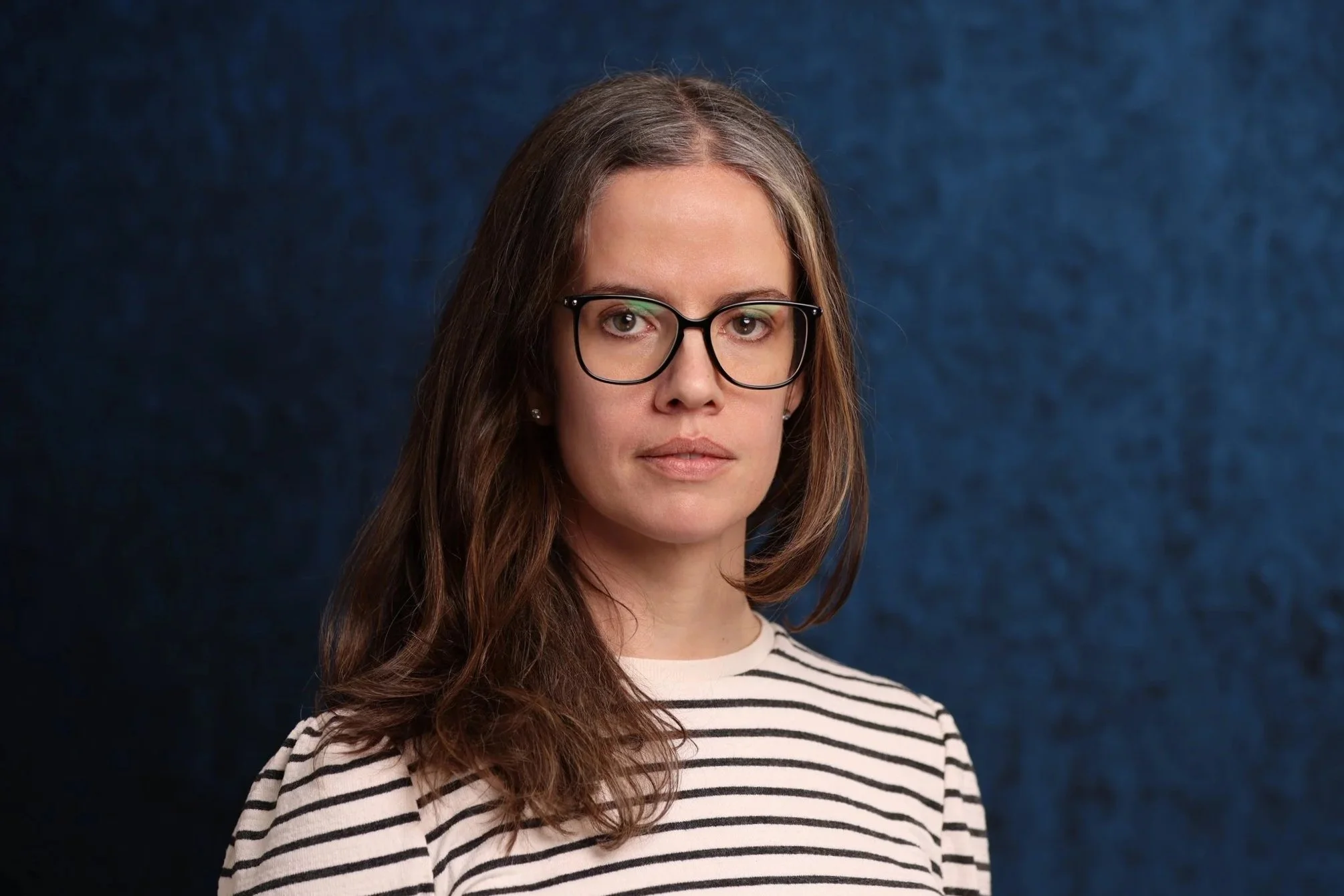
Brier Reid, P.Eng. RPP
City of Calgary
Brier Reid, P.Eng. RPP is a Senior Stormwater Engineer with The City of Calgary's Environmental Risk and Resilience department. She has extensive experience in stormwater management and the practical application of Low Impact Development (LID) principles within municipal infrastructure planning and delivery. Brier has been involved in advancing sustainable watershed and drainage solutions, with a particular focus on integrating environmental, technical, and community objectives into project planning and implementation.
Plug and Play – Can LID Make Your Day?
The Residential Site Stormwater Selection Tool
Nov 5th - 3:25 PM to 3:50 PM
To reduce the complexity of building stormwater infrastructure on multi-family developments, a simple and adaptable design tool was developed. The Detention Storage Tool was designed to provide a required stormwater storage volume and flow control device based on site characteristics provided by the user. The Tool can provide three levels of storage sizing depending on the User’s need, ranging from a conceptual estimate requiring only needing the site area, to an analysis of a detailed configuration. The calculator can consider a combination of surface, underground and roof storage LID features are being incorporated into the Tool to offset the grey infrastructure storage requirements. Additionally, the Tool will calculate the average annual runoff volume and water quality benefits for the site based on the type of LID features used. The project included creating documentation to guide users in the design of green and grey stormwater infrastructure design. These documents include a Site Selection Guide, Standard Drawing Templates for the different features, and a Construction Specification Outline which lists required information needed for construction. These documents are being created to assists property owners in maintaining the various products/features throughout their lifetime including an operation and maintenance manual and an inspection form/ list.

Kennedy Hampson,
MPE Engineering
Bio coming soon
Natural Assets and Infrastructure
Nov 6th, 2026 - 8:45 AM to 10:10 AM
Practical Tools to Support Natural Infrastructure Implementation
and Performance Measurement
Nov 6th - 8:45 AM to 9:05 AM
Canadian municipalities are increasingly turning to natural infrastructure (NI) to address climate risk, stormwater management, aging assets, and community well being. While NI is widely recognized as a valuable municipal asset, many communities, particularly smaller and resource constrained ones, continue to face barriers to implementation and long term management. These include limited experience with NI, uncertainty around costs and benefits, challenges demonstrating value for investment decisions, and limited capacity to monitor and manage performance over time. WSP has worked with Housing, Infrastructure and Communities Canada on a coordinated set of projects designed to reduce these barriers, strengthen municipal decision making, and support the mainstreaming of NI across Canada. This work spans three complementary initiatives: (1) a review of cost benefit analysis tools used to evaluate NI, (2) the development of plain language, extended fact sheets for eleven types of NI, and (3) the creation of an accessible performance measurement guide to support monitoring, adaptive management, and ongoing operations of NI. The cost benefit review assesses how existing tools capture economic, environmental, and social outcomes, identifying strengths, limitations, and gaps relevant to municipal use. The fact sheets support early stage decision making by summarizing design considerations, maintenance needs, cost drivers, and Canadian case studies. The performance measurement guide provides practical direction on what to monitor, how often, and the level of effort required to confirm that NI is functioning as intended and to address common issues. Together, these projects fill a critical implementation gap by providing the practical narrative and strategic guidance municipalities need to operationalize NI alongside conventional infrastructure.

Yusra Rameen, EIT
WSP Canada Inc.
Rameen is a Water Resources Engineer-in-Training with WSP in Edmonton, Alberta. She has four years of experience supporting municipal infrastructure and water resources projects across Western Canada. She works primarily on planning and designing sustainable water, wastewater, and stormwater systems. Her approach emphasizes resiliency and sustainability, incorporating green infrastructure principles wherever feasible to support long-term community growth. She also has experience contributing to the development of municipal guidance and strategies that help communities advance environmental stewardship.
Calgary's Natural Asset Valuation Toolkit
Nov 6th - 9:05 AM to 9:35 AM
Low impact development (LID) is often delivered one project at a time, but its performance depends on how natural infrastructure is valued, funded, and maintained across the city. A priority under Calgary’s Climate Strategy is to normalize natural infrastructure as a viable City service-delivery option by strengthening ecosystem service valuation and embedding natural asset management planning into how projects are scoped, funded, delivered, and maintained. Building on the City’s 2021 citywide valuation work (estimating annual ecosystem services and co-benefits delivered by urban natural assets at $1.4–$2.5 billion), this presentation introduces Version 2 of Calgary’s natural asset valuation tool - a site-scale model and calculation interface designed to support natural infrastructure management, greenfield development, and Capital investment decisions. Attendees will leave with practical insights on: a) the service-delivery benefits of integrating natural assets with LID and grey infrastructure; b) where LID fits within Calgary’s emerging natural infrastructure priorities and decision pathways; and c) how Calgary’s natural asset toolkit is shaping up to support full-cost accounting, clearer accountability of corporate infrastructure decisions and build implementation pathways into Capital and operational programs.

Mackenzie Fulton, MSc., MBA, P.Eng., DASM
City of Calgary
Mackenzie Fulton, M.Sc., MBA, P.Eng., DASM, is an Infrastructure Engineer with experience spanning municipal utilities, water infrastructure, capital planning, asset management, and major public-sector capital projects across Western Canada. He currently supports infrastructure planning within the City of Calgary's Capital Planning and Business Services group, with a focus on utility asset management and dam safety program development.
Prior to joining The City, Mackenzie led and managed infrastructure programs for both the Government of Alberta and the Government of Saskatchewan. His work has included major maintenance turnarounds and capital project delivery for extreme-consequence dams, water conveyance infrastructure, Alberta public and private schools, pipelines, and other critical public assets. Throughout his career, he has led capital projects ranging from millions to billions of dollars in value and has developed expertise in lifecycle planning, risk management, public procurement, and infrastructure construction.
Mackenzie is a Professional Engineer registered since 2019 and holds a Bachelor and Master of Science in Mechanical Engineering from the University of Saskatchewan and an MBA from the Ivey Business School. He is also a published researcher, author of multiple technical publications in fire science, a former board member of the APEGS Discipline Committee, and a former appointed member of the Saskatchewan Construction Standards Appeals Board (SCSAB).
Drawing on experience in water infrastructure ownership, regulation, asset management, and large-scale capital delivery, Mackenzie brings a practical perspective on resilient infrastructure planning and the long-term management of critical public assets.
Vanessa Carney, MSc
City of Calgary
Vanessa Carney is a Corporate Environmental Specialist in Climate Adaptation and Natural Assets with the City of Calgary’s Environmental Risk and Resilience business unit. Her professional background includes 17 years of biodiversity and natural asset conservation within the City of Calgary. She enjoys applying spatial and ecological modelling approaches to innovate City practices and analytical tools to support natural asset decision-making.
In her current role, Vanessa is working collaborating with City departments to develop sustainable climate resilience strategies leveraging nature-based solutions within municipal service delivery.
Vanessa’s educational background includes Wildlife Biology Bachelor and entomology-focused Master of Science in Biology degrees. Prior to joining the City, Vanessa worked in entomology research. Away from work, Vanessa enjoys nerding out in nature as an avid photographer and rockhound, and is very slowly learning how to watercolour paint.
Adapting Low Impact Development Technologies to Lower Density and Rural Environments
Nov 6th - 9:35 AM to 9:55 AM
Low Impact Development (LID) methodologies are widely promoted as a means of mitigating the hydrologic and water quality impacts of urbanization by mimicking natural watershed processes. In higher-density urban environments, these approaches often rely on infrastructure‑intensive solutions such as structural soil cells, permeable pavements, and subsurface storage; that concentrate significant green infrastructure into compact footprints. While effective, these systems do carry an associated capital cost that falls upon the associated development. Developer and engineers working in lower-density and rural environment need not be excluded! This presentation explores strategies and alternative approaches for applying LID in environments where available capital for infrastructure is lower but land is more available! Developments can remain true to the spirit and intent of low impact development while working in these environments. Emphasis is placed on leveraging available land, natural drainage features, soil conditions, and simplified systems to achieve water quality and hydrologic performance objectives through less intensive means. Case examples and practical considerations are discussed to illustrate how thoughtful adaptation of LID principles can support sustainable outcomes in this settings without relying on higher intensity infrastructure solutions.
Josh Maxwell
WSP Canada Inc.
Bio coming soon…
Asset Management and Maintenance
Nov 6th, 2026 - 10:40 AM to NOON
The City of Calgary Asset Management Journey for Stormwater
Nov 6th - 10:40 AM to 11:10 AM
Coming soon…
Jo Whiteside
City of Calgary
Bio coming soon…
Adapting Green Infrastructure Tracking, Design, and Maintenance Methods for a Diversity of Programs
Nov 6th - 11:10 AM to 11:35 AM
Green infrastructure programs continue to advance throughout North America. Regulatory driven communities, such as New York City, have made significant investment and progress in developing their programs through extensive pilots and widespread implementation. Combined with learnings from other large and small urban centers, there are common strategies for opportunity tracking, design, and maintenance that can be adapted to meet variable needs and objectives.
Feasibility assessments and opportunity tracking are common elements of large-scale urban programs. Tracking drainage areas, constraints and green infrastructure opportunities allows a municipality to evaluate trends in areas of success and improvements in underperforming areas.
Standardized designs allow for streamlined implementation of green infrastructure, yet the ability to adapt and evolve these designs is also important. While larger programs may build a library of explicit standard designs, smaller programs may be best served by developing a smaller number of generalized design standards.
The creation of digital inspection and maintenance logs can assist in better understanding local maintenance activities, frequencies, and performance trends. Although the specifics of this tracking setup may vary with program scale, the information garnered can be utilized to refine design standards and improve long-term performance regardless of program size.
The above strategies can be adapted for each municipality based on need and cost effectiveness. With appropriate adjustments, it is often possible for smaller-scale initiatives to benefit from the efficiencies and lessons learned from larger programs, supporting the realization of green infrastructure benefits across a wide array of program drivers and implementation scales.

Alysondria Eason, P.Eng
WaterSMART, a Hazen Company
Alysondria Eason is a licensed professional engineer with Hazen and Sawyer. Since 2013 Alysondria has been working with Hazen in the Water Resources Practice Group and currently serves as Hazen’s Green Infrastructure and Nature-Based Solutions Corporate lead and Mid-Atlantic Water Resources Regional Lead. Her expertise focuses on localized and area-wide planning, design, tracking, monitoring and implementation of stormwater controls. She has played a key role in Hazen’s stormwater management efforts throughout the United States, including prominent green infrastructure initiatives in New York City, Philadelphia, Washington DC, and Boston.
LID Research, Monitoring and Performance 2
Nov 6th, 2026 - 1:00 PM to 2:00 PM
Effectiveness of Low-Impact Development on Urban Creek Flow Regimes and Watershed Health in a Cold Climate Context
Nov 6th - 1:00 PM to 1:25 PM
Urban streams provide essential ecological and social benefits, yet they often experience altered hydrology, degraded water quality, and reduced biodiversity due to urbanization, symptoms collectively known as Urban Stream Syndrome (USS). Low impact developments (LIDs) are widely implemented to mitigate these impacts by enhancing infiltration, evapotranspiration, and stormwater retention. However, their effectiveness in cold climates, particularly during rain on snow events and spring melt periods, remains less certain. Climate change in the Edmonton region, characterized by warmer, wetter, and shorter winters, further complicates urban watershed hydrology. This research examines the long-term hydrological impacts of LIDs within the Whitemud Creek Watershed, an urban watershed in Alberta, Canada. Using a process based hydrological model (PCSWMM), we assess a historical hydrological scenario, evaluate seasonal and interannual LID effectiveness, and explore adaptation strategies using multiple LID scenarios. Beyond flow regime indicators, the analysis incorporates watershed scale processes including evapotranspiration, infiltration, and surface runoff to evaluate how LIDs influence overall watershed health rather than only localized runoff responses. The model also quantifies how climate change alters these processes and affects LID performance. Results show that while LIDs improve hydrologic conditions during summer, their performance declines in winter and spring due to freeze–thaw cycles and altered snowmelt dynamics. Regardless of the LID scenario, natural hydrologic restoration is consistently stronger in summer than in winter, highlighting seasonal limits on watershed recovery in cold climates. Future climate scenarios clarify whether LIDs contribute to watershed scale restoration or primarily offer localized hydrologic benefits. This work advances understanding of LID resilience under changing climate conditions and supports municipalities in developing data driven strategies for sustainable urban water management.
Julian-Marie Jones
University of Alberta / EPCOR
Bio coming soon…
Revisiting the Design Storm Concept: Toward climate-adapted storms for urban drainage
Nov 6th - 1:25 PM to 1:50 PM
Stormwater infrastructure and low impact development (LID) systems are commonly designed using synthetic design storms derived from intensity–duration–frequency (IDF) curves combined with temporal rainfall distributions. While widely used in engineering practice, this approach relies on assumptions of spatial and temporal stationarity and often produces rainfall patterns that do not adequately represent the variability and temporal structure of real storm events. Under climate change, these limitations can lead to an inaccurate representation of rainfall dynamics, potentially resulting in under-designed or over-designed stormwater infrastructure and an incomplete assessment of system performance. This work develops an integrated framework to generate climate-adapted design storms that better represent rainfall dynamics while remaining compatible with current engineering workflows. The framework combines three elements. First, rainfall intensity is characterized using spatially distributed IDF curves derived from generalized extreme value (GEV) models fitted to historical observations and adjusted using convection-permitting regional climate model projections. Second, the temporal structure of rainfall events is characterized using functional data analysis, where storm events are analyzed using functional principal component analysis (FPCA) to identify representative storm temporal patterns. Third, rainfall intensities and temporal structures are combined to generate ensembles of climate-adapted design storms for different durations, return periods, and climate scenarios. These storms can then be implemented in urban drainage models to evaluate hydraulic responses including peak flows, surcharge conditions, and flooding. By improving the representation of rainfall dynamics while remaining compatible with standard hydraulic modeling tools, this framework supports more robust evaluation of stormwater systems under future climate conditions.
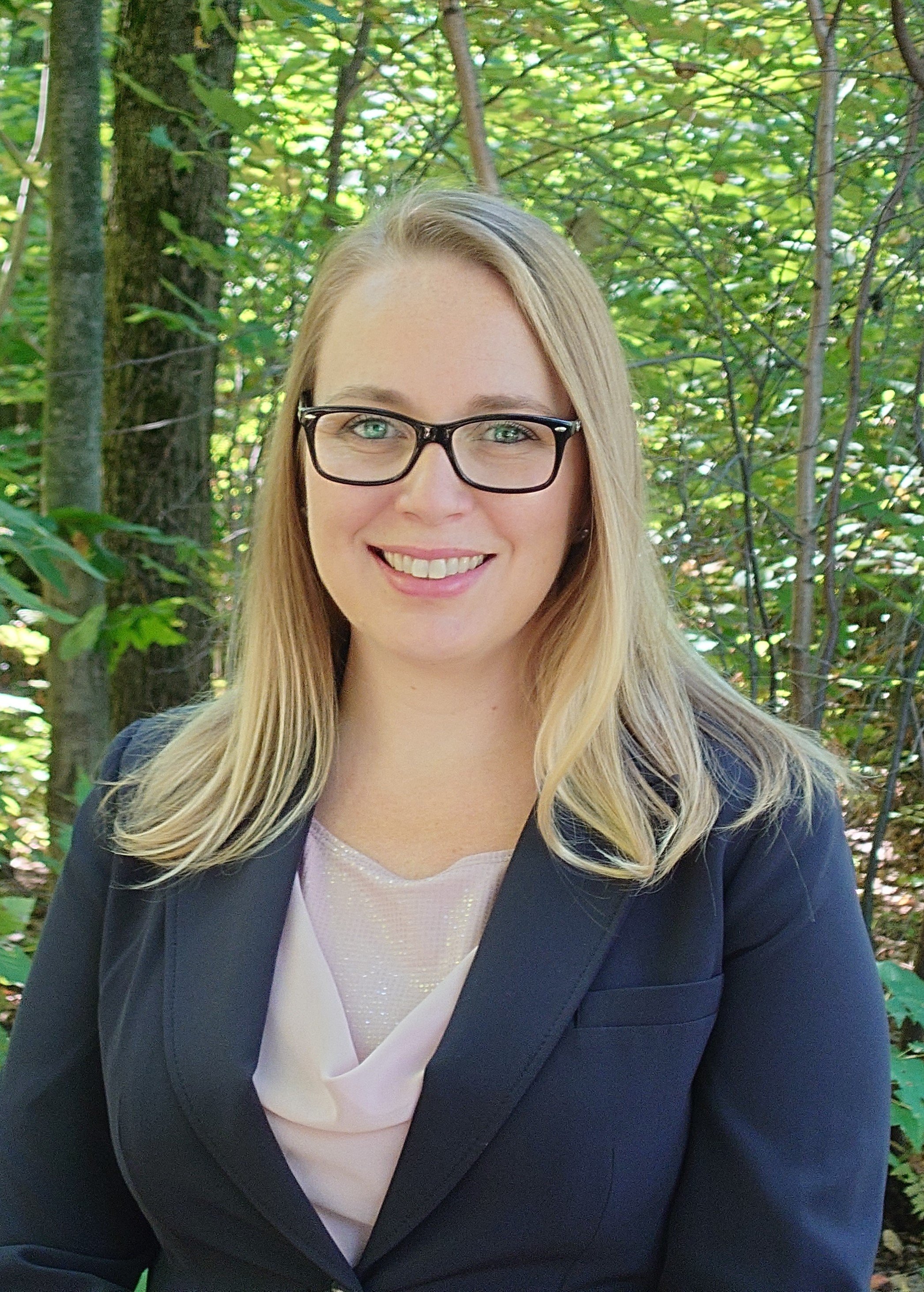
Émilie Bilodeau, M.Eng
École de technologie supérieure
Émilie Bilodeau holds a Master’s degree in Engineering, specializing in infrastructure, and is currently pursuing a PhD in Engineering in urban hydrology and hydraulics at École de technologie supérieure (ÉTS). An engineer and lecturer, she serves as President of the CentrEau Student Committee in Québec. She is also Secretary of the Québec Branch of the Canadian Water Resources Association (CWRA) and a representative on the CWRA National Council. Her research interests include urban water systems, hydrological and hydraulic modelling, and the adaptation and resilience of water infrastructure in the context of urban densification and climate change.
Case Studies and Lessons Learned #2
Nov 6th, 2026 - 2:00 PM to 4: PM
Co-Designing Green Infrastructure: A shared workflow for engineers and landscape architects
Nov 6th - 2:20 PM to 2:45 PM
Green infrastructure (GI) succeeds when it is designed as both landscape and infrastructure. Planting design, grading, drainage, and utilities need to be considered as a whole in order to create a system that provides water quality improvements and water quantity storage. This presentation introduces a collaborative workflow for engineers and landscape architects to co-develop GI solutions that perform across the full life cycle. Using a shared approach, we align target objectives with site constraints (infiltration potential, groundwater and contamination risk, winter conditions, and constructability). We then translate those constraints into coordinated design moves—treatment trains, amended soils and underdrains, liner strategies where infiltration is unsuitable, robust overflow pathways, and planting palettes that tolerate inundation, drought, salt, and snow storage.

Bailey Sadowsky, P.Eng
Arup
Bailey Sadowsky is a Senior Engineer with Arup based in Calgary, Alberta. She has over 10 years of experience in civil engineering, stormwater management, and green infrastructure design. Bailey has contributed to a wide range of projects across Canada and internationally, including municipal streetscapes, institutional campuses, healthcare facilities, transportation corridors, and flood resilience programs. She leverages hydraulic modelling, GIS, digital engineering tools, and multidisciplinary collaboration to develop practical and innovative solutions that improve water quality, enhance climate resilience, and create healthier communities. Bailey is passionate about advancing low impact development practices and helping clients translate sustainability goals into successful project outcomes.
Retrofit BMPs: When competing issues and competing interests make it complicated
Nov 6th - 2:45 PM to 3:10 PM
For existing developed urban watersheds, the process of choosing what stormwater management BMPs to retrofit, and how to fit them into the watershed can be a whole project in itself! Sometimes it involves many competing interests, such as aquatic wildlife, recreational and other human uses, prevention of erosion, and habitat and biodiversity enhancement. There can also be competing issues to be addressed, including multiple aspects of water quality, water quantity, and flow rate. Especially in retrofit situations, there are feasibility and practicality considerations, including total cost, cost allocation, space requirements and land ownership, governmental jurisdiction, how and where to intercept flows, utility conflicts, space usage conflicts, varying ecological and aesthetic goals, time to implement, and total benefit/cost considerations. There can also be different perspectives, e.g. residents, municipal, indigenous, streamkeepers, and technical, coming to the table, with different priorities and project objectives. Using a real-world example where ALL of these came into play, this presentation will demonstrate how all of these interests and issues can be brought together and weighed to determine a way forward for BMP solutions in the watershed that a wide variety of stakeholders can support. Triple Bottom Line accounting is used as key tool for this work, providing a framework and methodology for decision-making in the face of complexity.
Laurel Morgan
Kerr Wood Leidal Associates Ltd.
Bio coming soon…
Scotia Place, From Rainfall to Reality: Delivering coordinated stormwater systems on urban sites
Nov 6th - 3:10 PM to 3:35 PM
Urban infill developments present significant stormwater management challenges due to constrained footprints, dense existing utilities, and complex regulatory and stakeholder requirements. While stormwater systems are often treated as purely functional infrastructure, high profile urban sites require solutions that balance performance, constructability, and architectural integration. Scotia Place, Alberta’s newest premier sports and entertainment venue, exemplifies these challenges. This case study highlights key lessons learned from delivering stormwater infrastructure on a dynamic urban site, with a focus on interdisciplinary coordination and aligning design intent with construction realities to meet stormwater quality, quantity, and policy objectives. With the building footprint occupying most of the site, stormwater storage was achieved through a combination of underground and building-integrated storm tank systems, designed to address both current requirements and future climate conditions. Project-specific approaches, including multiple discharge connections and tailored application of retention criteria, were implemented in coordination with the City to create an onsite stormwater design that accommodated the site’s existing urban condition. The site plan design incorporated multiple constraints overlapping with the storm tanks, including shallow utility duct banks, site lighting, public art installations, heating & venting piping for stormwater pumping, and landscaping; all of which were highly interdependent such that small adjustments to one system triggered impacts across the site. Beyond this, successful delivery required careful coordination of design and construction alongside regular events at the Saddledome and simultaneous upgrades to adjacent roadways. Overall, the project illustrates how flexibility, early collaboration, and integrated design can support effective stormwater solutions in complex urban environments.
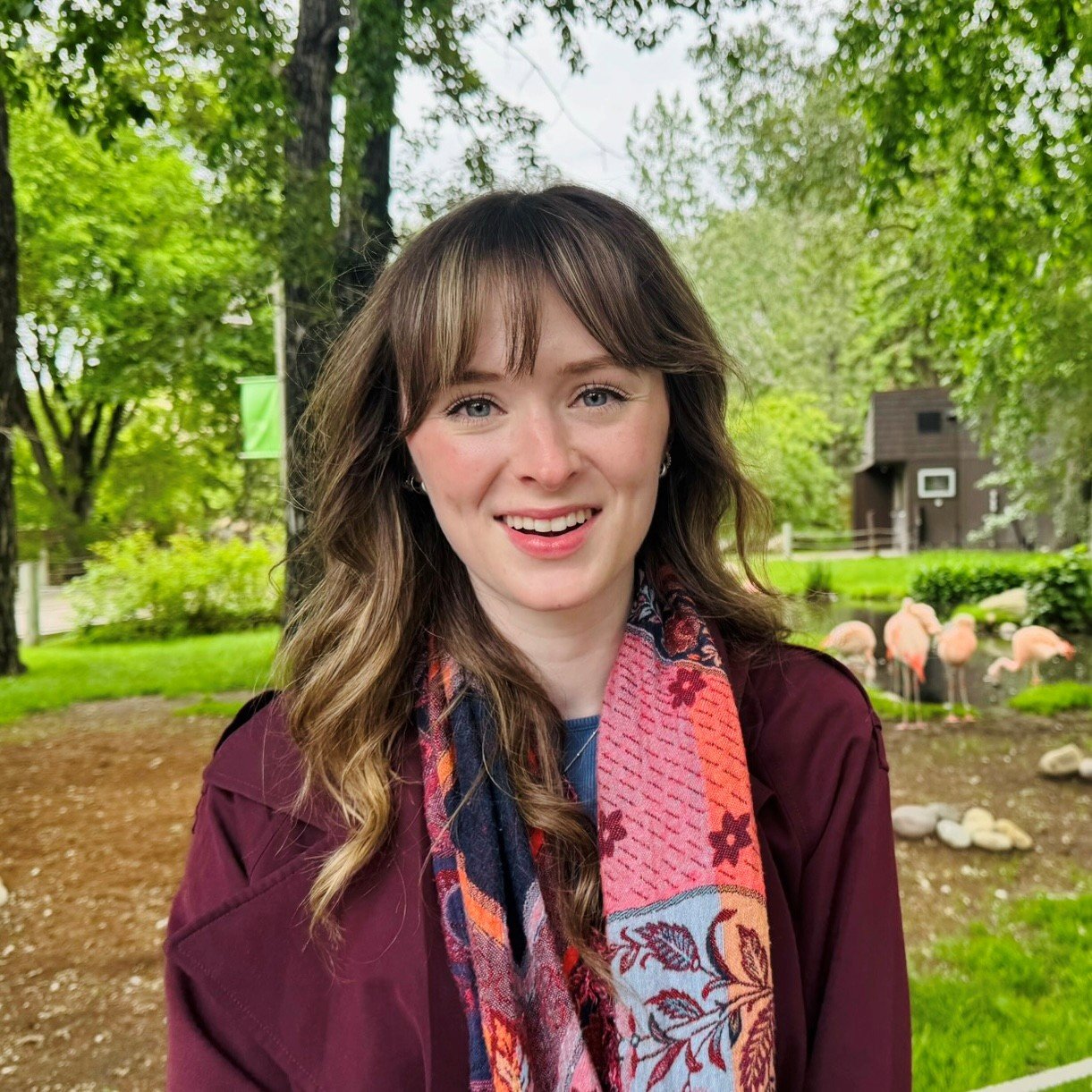
MacKenzie Clarke, EIT
Stantec Consulting Ltd.
MacKenzie Clarke is a Civil Engineer in Training with Stantec specializing in site development, including site servicing, grading, and stormwater management design.
As Civil Design Lead & BIM Lead for Scotia Place, she has gained a unique perspective on the challenges and opportunities that arise when large multidisciplinary teams work together to deliver complex urban projects.
Passionate about collaboration and project integration, MacKenzie enjoys bringing together technical design, project coordination, and BIM processes to help teams maintain alignment from concept through construction. Her work is guided by curiosity, adaptability, and a commitment to finding practical solutions that support both project goals and long-term community outcomes.

Suzana Lazic, P.Eng
City of Calgary
Suzana Lazic, P.Eng., is an Operations Engineer with The City of Calgary and has nearly 10 years of experience in municipal infrastructure and stormwater management. Prior to joining The City, she worked at Stantec Consulting Ltd., where she provided hydrologic and hydraulic modeling, drainage planning, and stormwater management services for major transportation and community development projects. She is passionate about bridging stormwater management and infrastructure asset management to enhance the long-term performance, resilience, and sustainability of the systems that support safe, connected, and thriving communities.
Transformative Thinking – How Urban Renewal Embraces Ecology as Infrastructure
Nov 6th - 3:35 PM to 4:05 PM
As cities face increasing pressure from climate change, aging infrastructure, and expanding impervious areas, there is a growing need for integrated approaches that address stormwater, ecology, and community resilience together. Natural Asset and One Water strategies offer an opportunity to rethink how urban landscapes manage water while restoring environmental function and supporting local communities. In south Minneapolis, the East Phillips neighborhood has experienced long-standing environmental and economic challenges, including flooding and poor water quality. Led by the Mississippi Watershed Management Organization (MWMO), a collaborative effort with the Little Earth of United Tribes community, City of Minneapolis, Hennepin County, and the Minneapolis Park and Recreation Board explored how natural solutions could be layered into planned capital projects. The project team, including engineers and landscape architects from EOR, identified opportunities to divert runoff from streets into parks and private parcels for capture and reuse, while enhancing tree canopy and habitat to support urban cooling and biodiversity. These principles are taken to the next level in the Southdale Library and Edina Art Center redevelopment project. The integrated site design incorporates bioretention, native vegetation, a large onsite wetland, green roofs, solar infrastructure, and stormwater reuse systems, achieving zero runoff for the 25-year event. The building and landscape were designed together to create a porous transition between indoor and outdoor spaces, relying on natural assets to meet infrastructure needs while exceeding regulatory requirements and supporting long-term ecological function. These projects highlight how collaborative, multi-benefit design can address flooding, improve water quality, and restore urban ecosystems.
Brett H. Emmons
EOR
Bio coming soon…